






RFID
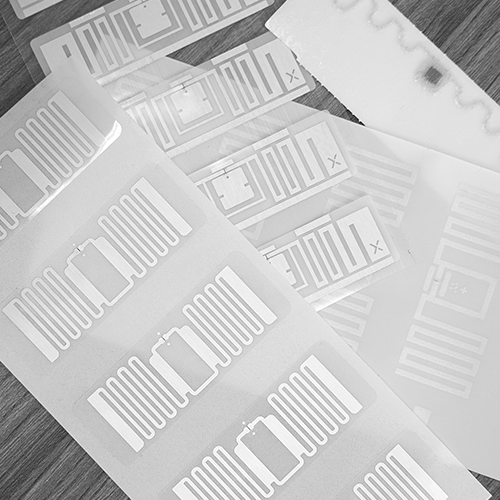
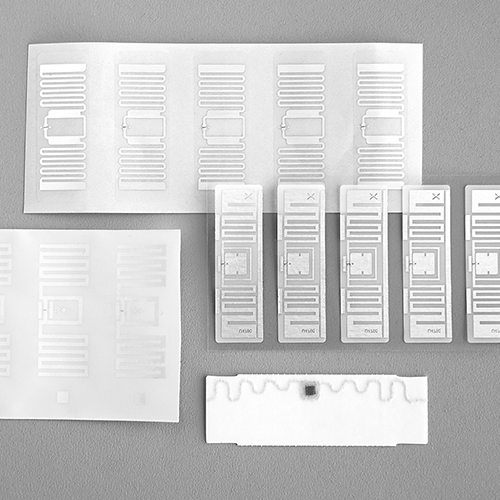
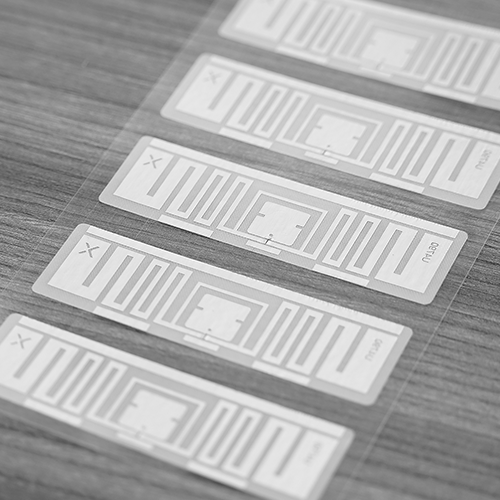
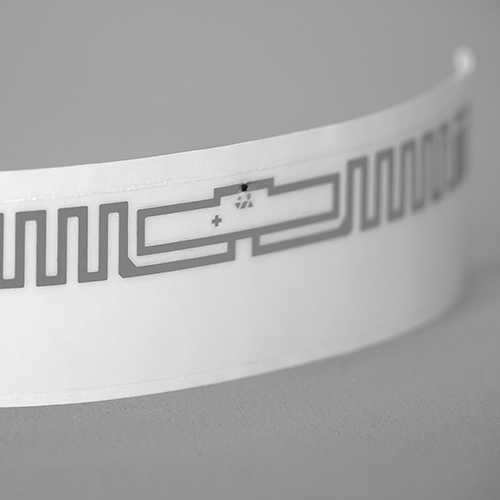
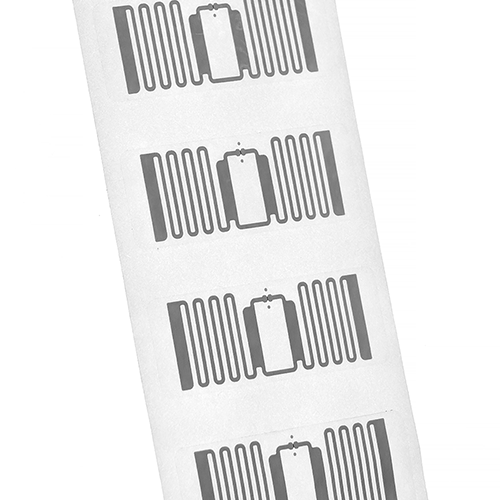
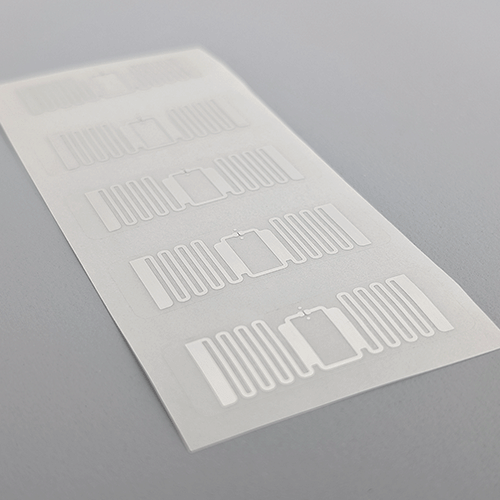
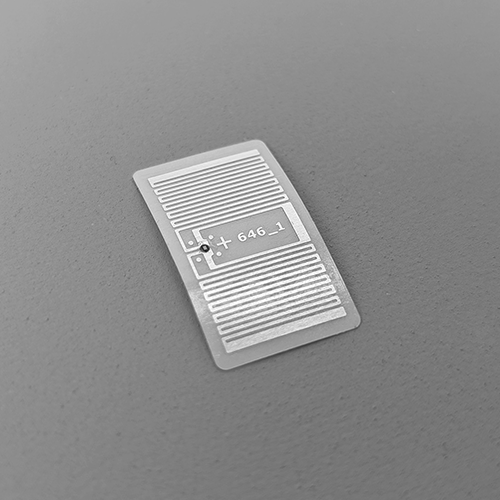
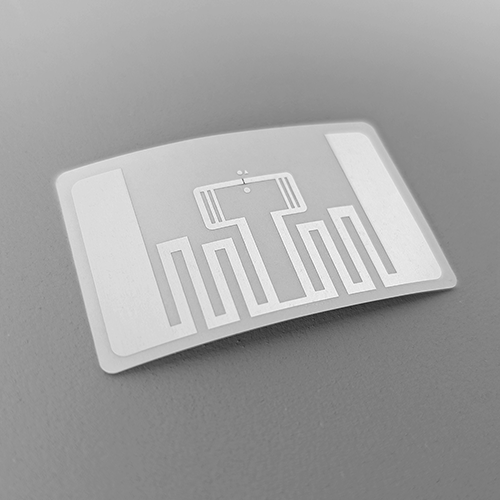
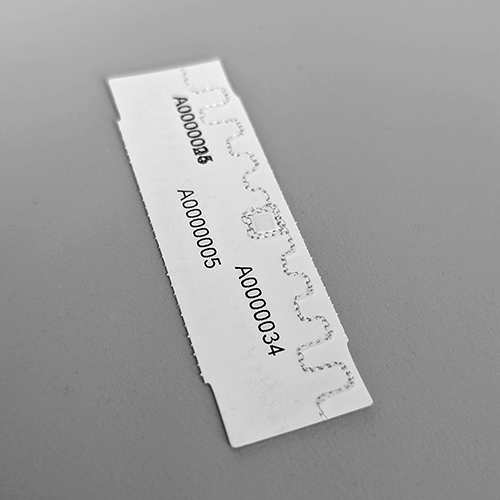
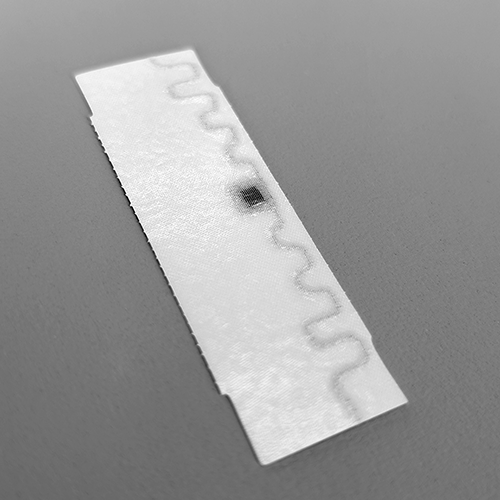
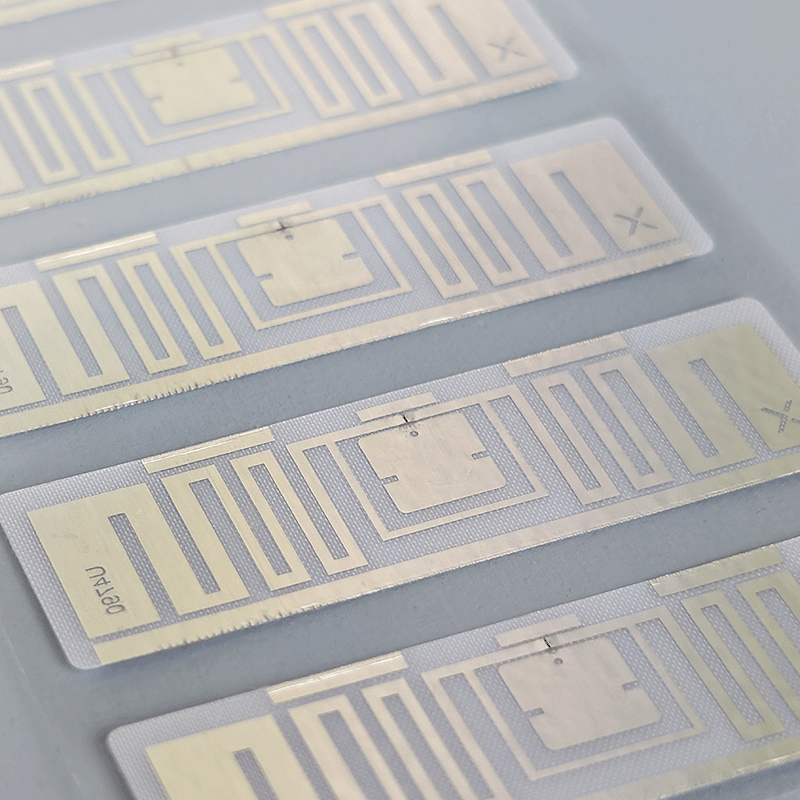
RFID Label Solutions for Apparel and Fashion Retail
The demands placed on modern apparel retail operations have never been greater. Managing stock accurately across multiple locations, fulfilling online orders from physical stores, reducing shrinkage, and delivering a consistent customer experience all require a level of real-time visibility that conventional stock management methods struggle to provide.
Radio Frequency Identification, more commonly known as RFID, addresses these challenges directly. By embedding a small chip and antenna within a label or tag, each individual garment becomes uniquely identifiable and trackable throughout its entire journey, from the production line through to the shop floor and beyond.
At Jointak, we supply fully customisable RFID label solutions for clothing brands and retailers across the UK, designed to integrate with existing systems and deliver measurable improvements in operational accuracy and efficiency.
How RFID Labels Work
Each RFID label contains a miniature chip and antenna that communicates with compatible reading equipment using radio frequency signals. Unlike a conventional barcode, which must be presented directly to a scanner to be read, an RFID tag can be detected from a distance and through packaging or folded fabric, without any requirement for line-of-sight.
This fundamental difference in how data is captured transforms the speed and accuracy with which stock can be counted, located, and managed. A reader passed across a rail of garments can identify every item within range in seconds, a process that would take considerably longer using traditional methods.
The Operational Benefits of RFID for UK Retailers
Significantly Faster and More Accurate Stock Counting
Traditional stocktaking is time-consuming, labour-intensive, and prone to the kind of human error that compounds over time into meaningful stock discrepancies. RFID enables inventory counts to be completed in a fraction of the time, with a level of accuracy that manual processes simply cannot match. The result is a more reliable picture of stock at any given moment, which supports better replenishment decisions and reduces the risk of items being out of stock when customers want them.
Stronger Loss Prevention and Shrinkage Control
Because every tagged item carries a unique identifier, RFID makes it considerably easier to monitor product movement throughout the store environment and supply chain. Unusual patterns, whether in a fitting room, a stockroom, or during the receipt of goods, can be identified more readily, giving loss prevention teams better information to act on and reducing shrinkage across the business.
A Better Experience for the Customer
Accurate, real-time inventory data has a direct impact on the customer-facing side of the operation. When stock records reflect what is actually available, on the shop floor, in back-of-house storage, and across different branches, customers encounter fewer disappointments, staff can locate items more quickly, and the overall shopping experience becomes more reliable and satisfying.
Faster Processing of Returns and Exchanges
RFID enabled product verification speeds up the returns desk considerably. Rather than manually checking receipts and product codes, staff can confirm purchase details and product identity instantly, reducing queue times and improving the quality of service at what is often a high-pressure point of customer contact.
Omnichannel Fulfilment Done More Efficiently
For retailers operating across physical stores and online channels simultaneously, accurate stock visibility is the foundation on which successful omnichannel fulfilment is built. RFID supports click-and-collect, ship-from-store, and in-store pickup operations by making it straightforward to locate specific items quickly and confirm availability in real time, reducing fulfilment errors and the customer disappointment that comes with them.
Where RFID Labels Are Used in Apparel Operations
In-Store Inventory Management
Continuous, automated stock monitoring keeps shelf and rail levels accurate, prompts timely replenishment, and removes the need for disruptive manual counts during trading hours. Store teams can focus on serving customers rather than conducting stock checks.
Warehouse and Distribution Centre Operations
RFID accelerates the receipt of goods, picking, and despatch processes across warehousing and distribution environments. Items can be verified quickly as they move through the facility, reducing processing time and minimising errors in outbound shipments.
End-to-End Supply Chain Traceability
From the point of production through to final delivery, RFID tags provide a traceable record of each item’s movement. This visibility reduces the incidence of misplaced stock, supports more accurate shipment verification, and gives brands a clearer picture of where product is at during any stage of the supply chain.
Custom RFID Label Options From Jointak
Our RFID labels can be specified and produced to meet both the operational requirements and the branding standards of your business. A range of formats is available to suit different garment types, handling environments, and integration requirements:
Woven and Fabric Labels – RFID technology integrated within a woven or fabric label, suitable for garments where a traditional label format is required alongside the benefits of electronic tracking.
Adhesive RFID Labels – A practical format for application to packaging, polybags, or hard goods, where a fabric label is not appropriate but reliable scanning performance is still required.
Integrated Hangtags – RFID capability built directly into a printed hangtag, combining brand presentation with product tracking in a single component, a popular and efficient choice for fashion retail.
All formats can incorporate your brand logo, size information, care instructions, country of origin, and any other label content required, ensuring that RFID labels sit consistently within your wider labelling and presentation scheme.
Sustainable RFID Label Options
For brands with environmental commitments, we offer RFID labels produced using recycled substrates and biodegradable materials. These alternatives deliver the same electronic performance and scanning reliability as standard options, allowing you to meet sustainability targets without compromising the operational benefits that RFID provides.
Why UK Apparel Brands and Retailers Choose RFID
- Real-time stock visibility across stores, warehouses, and distribution centres
- Stocktakes completed faster and with significantly greater accuracy
- Improved loss prevention through unique item-level identification and tracking
- Stronger omnichannel capability supporting click-and-collect and ship-from-store
- Faster returns processing and improved customer service at the point of exchange
- Fully customisable label formats incorporating branding, size, and care information
- Sustainable material options for brands with responsible sourcing commitments
FAQ’s
A barcode must be presented directly and individually to a scanner in order to be read, which makes large-scale stock counting a slow and labour-intensive process. An RFID label, by contrast, communicates with reading equipment using radio frequency signals and can be detected from a distance without line-of-sight. This means that multiple items can be identified simultaneously, without any need to handle or present each one individually, making RFID considerably faster and more practical for high-volume retail and warehousing environments.
The most significant benefits tend to be in the areas of inventory accuracy, stocktaking speed, and loss prevention. Retailers implementing RFID typically see a substantial reduction in stock discrepancies, faster and less disruptive stock counts, and improved visibility of product movement across the business. These improvements support better replenishment decisions, more reliable omnichannel fulfilment, and a more consistent experience for the customer both in store and online.
Yes, fully. Our RFID labels are available in a range of formats, including woven labels, adhesive styles, and integrated hangtags, and can be produced to incorporate your brand identity alongside all required product information. Size designations, care symbols, country of origin, and logo placement can all be accommodated, ensuring that the operational functionality of RFID is delivered within a label that meets your presentational standards across every product in your range.
To find out more about our RFID label solutions or to discuss the options best suited to your retail or distribution operation, please get in touch with us today. We work with apparel brands, garment manufacturers, and fashion retailers throughout the UK to implement RFID labelling that delivers real, measurable improvements to stock management and operational performance.